

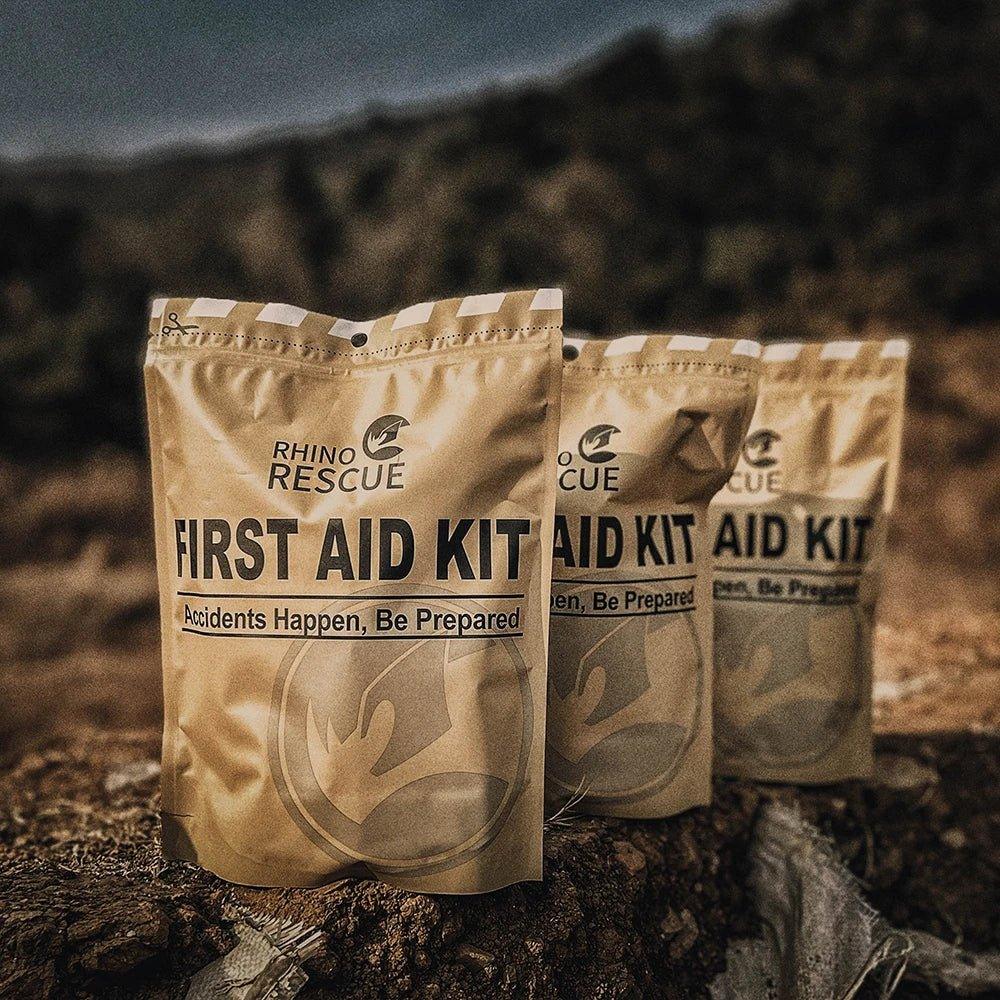
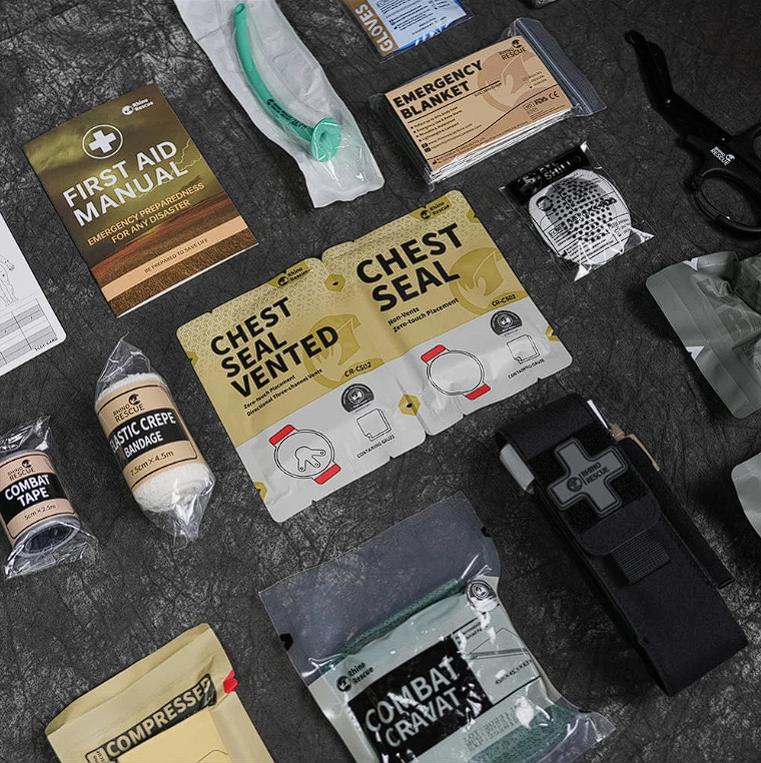

It's easy to look at a tactical first aid kit on a product page and think they're all more or less the same. The real difference isn't seen in the photo, it's seen in where the material has been tested before it reaches the store.
An origin that started outside the civilian world
Rhino Rescue was founded in 2010 with a specific goal: to bring professional-grade trauma supplies to people who until then only had access to generic first aid kits. That same year, the brand's equipment was present in the medical setup for the 2010 FIFA World Cup, a context with thousands of people and zero margin for a tourniquet to fail.
From the Olympic Games to an international health crisis
At the 2012 London Olympic Games, Rhino Rescue equipment was once again part of the emergency setup for a massive event. Years later, during the Ebola crisis, that same type of trauma equipment was used in a radically different context: biosafety control and care in extreme conditions, not a stadium full of spectators.
Why this matters if you're buying a kit for your car
A first aid kit that has been used in an Olympic medical setup or in tactical units has gone through real stress situations, with material that had to work the first time. That's the same design criterion that applies to the SE IFAK you can have in your trunk today: it's not a "simplified civilian" version, it's the same approach applied to everyday severe injuries, a traffic accident, a bike fall, a deep cut in the wilderness.
What doesn't change over the years
FDA and CE certification on every trauma component, MOLLE design for quick access, and the philosophy that every second counts come directly from that origin. You can read more about the brand's full history on our "About Us" page, or see the complete catalog of tactical and trauma kits.
0 comments